Showing posts with label Body. Show all posts

July 07, 2023

Weight Loss Journey: Transforming Your Body and Mind

Weight Loss Journey: Transforming Your Body and Mind


Starting a weight reduction journey is a life-changing event that involves more than just losing weight. It leads to improved health, more self-assurance, and a more positive outlook on life. In this post, we'll examine the essential techniques and tactics for a successful weight-loss journey. We'll walk you through the process, assisting you in getting long-lasting results, from setting realistic goals to forming healthy routines and maintaining motivation.

1. Setting Realistic Goals

To get started on your weight reduction journey, it's critical to create attainable, sustainable goals. Avoid trying to lose weight quickly since it frequently results in disappointment and health hazards. Instead, concentrate on dropping 1-2 pounds every week, which is seen to be a safe and doable goal. Never forget that consistency is key to winning!

2. Creating a Balanced Meal Plan

Successful weight reduction starts with a balanced eating plan. Include a wide range of nutrient-dense foods, such as fresh produce, whole grains, lean meats, and healthy fats. Practice mindful eating and pay attention to portion proportions. Avoid excessive limitations or crash diets since they are not long-term maintainable.

3. Incorporating Regular Exercise

For weight loss and general wellbeing, physical activity is crucial. Exercise for at least 150 minutes per week at a moderate level while also doing strength-training routines. Choose anything you want to do, whether it's dancing, swimming, jogging, or walking. The key is consistency!

4. Tracking Progress and Adjusting

By observing changes in your weight, measurements, and body composition, you can keep track of your progress. Regularly record your statistics using a spreadsheet, app, or notebook. Based on the input you receive, modify your diet and exercise regimen. Keep in mind that every person has a different physique, so what works for one person may not work for you.

5. Staying Motivated

It might be difficult to stay motivated when trying to lose weight, but it's crucial for long-term success. Establish modest goals for yourself, then treat yourself when you reach them. Be in the company of uplifting people, such as encouraging friends, motivating tales, and inspirational phrases. Set objectives for yourself and picture how you will feel when you accomplish them.

6. Overcoming Challenges

Challenges are a common part of weight reduction journeys, but don't let them stop your progress. Determine possible barriers and create plans to overcome them. Have a strategy in place to overcome these difficulties, whether it's controlling cravings, handling social settings, or fighting emotional eating.


7. Celebrating Milestones

Throughout the road, remember to take time to acknowledge your successes. When you accomplish important goals, treat yourself to something other than food, such a spa day, new exercise equipment, or a weekend vacation. Celebrating your successes encourages good conduct and increases your drive to succeed.

8. The Importance of Mindset

For long-term weight loss, it's essential to have a positive outlook. Instead of focusing simply on the number on the scale, consider the advantages of living a healthy lifestyle. Develop self-compassion and use encouraging words to yourself. Be in the company of inspiring and supportive individuals. Keep in mind that losing weight is about more than simply looking better; it's also about improving your entire health.

9. Building a Support System

Your ability to lose weight can be significantly impacted by having a solid support system. Discuss your objectives with family members and friends you can trust, or join a support group. You may stay motivated and hold yourself accountable by surrounding yourself with others who share your interests, comprehend your struggles, and offer support.

10. Embracing a Healthy Lifestyle

Effective weight reduction requires adopting a healthy lifestyle for the long run rather to merely making a short-term adjustment. Make long-lasting adjustments to your diet, exercise regimen, and lifestyle as a whole. Focus on consistency over excellence. Put your attention on feeding your body and adopting routines that foster wellbeing.

11. Managing Stress and Emotional Eating


Your efforts to lose weight may be hampered by stress and emotional eating. Determine your triggers and create healthy coping strategies, such as deep breathing exercises, mindfulness training, or enjoyable activities. If required, seek expert assistance. Keep in mind that eating should fuel your body, not provide emotional solace.

12. Prioritizing Self-Care

Self-care is crucial to your effort to lose weight. Get enough rest, make time for leisure, and partake in enjoyable activities that will help you to decompress. Because they are so intimately related to your physical health, take good care of your mental and emotional health.

13. Understanding Plateaus

A normal component of any weight reduction journey are plateaus. If your progress temporarily pauses or slows down, try not to get disheartened. Often, plateaus show that your body is adapting. Reevaluate your food, switch up your workout regimen, or get advice from a healthcare provider or qualified dietitian to break through plateaus.

14. Fostering Long-Term Success

Continuous work and dedication are necessary to maintain weight loss. Reevaluate your objectives frequently, change as necessary, and maintain contact with your support network. Keep in mind that your effort to lose weight is a commitment to your lifelong health and wellbeing.

15. Conclusion

Starting a weight reduction journey is a life-changing event that involves more than just losing weight. You may get long-lasting outcomes by making sensible objectives, forming healthy habits, and maintaining motivation. Don't forget to concentrate on the procedure rather than the result. Enjoy your victories as you go along and adopt a healthy lifestyle that feeds your body and mind.


FAQs

How long will it take to see results on my weight loss journey?

Can I lose weight without exercising?

How do I overcome food cravings during my weight loss journey?

What can I do if I hit a weight loss plateau?

Is it normal to feel discouraged during my weight loss journey?

Get Access Now:

Your life must be integrated with a healthy weight reduction journey, which includes commitment, perseverance, and a holistic approach. You may start your transformational path to a healthier and happier self by following the steps above. Keep in mind that the secret is to develop durable habits, maintain motivation, and give yourself priority throughout the procedure. Begin your weight reduction journey right now and take pleasure in the beneficial transformations that occur in both your body and mind.

June 09, 2023

How Can Cholesterol Cause Damage to Your Body and How Can You Control It?


Cholesterol is an important part of how our bodies work, but when it becomes out of control, it can cause serious health problems. In this post, we will look at what cholesterol is, what it does in the body, the harmful effects of excessive cholesterol, the factors than influence cholesterol levels, and effective techniques to regulate it.

Sustaining good health is critical, and cholesterol is an important element to consider. Despite its negative connotation, cholesterol is essential for the correct functioning of the body. An imbalance in cholesterol levels, on the other hand, can be harmful to our health.

2. Understanding Cholesterol

2.1 What is Cholesterol?

Cholesterol is a waxy, fat-like molecule produced spontaneously by the liver. It's also in some of the foods we eat. Cholesterol is required by our bodies to build healthy cells, manufacture hormones, and aid in digestion.

2.2 Types of Cholesterol

Example of LDL and HDL

LDL (low-density lipoprotein) and HDL (high-density lipoprotein) are the two main kinds of cholesterol (high-density lipoprotein). LDL cholesterol is commonly referred to as "bad" cholesterol because it can accumulate in the arteries, causing blockages. HDL cholesterol, on the other hand, is regarded as "good" cholesterol since it aids in the removal of LDL cholesterol from the bloodstream.

3. The Role of Cholesterol in the Body

3.1 Importance of Cholesterol

Cholesterol is essential to the organism. It is required for the formation of cell membranes, the production of vitamin D, and the synthesis of hormones such as oestrogen and testosterone. Our bodies would not function properly without cholesterol.

3.2 Functions of Cholesterol

Cholesterol has various important roles in the body, including assisting in the formation of bile acids, which are required for digestion and the absorption of fat-soluble vitamins. It also aids in the production of myelin, which serves as a protective covering for nerve cells.

4. The Negative Effects of High Cholesterol

When cholesterol levels become imbalanced, it can have serious implications for our health. Here are some of the negative effects of high cholesterol:

4.1 Arterial Damage

High LDL cholesterol levels can cause plaques to form in the arteries, causing them to constrict and stiffen. Atherosclerosis is a disorder that restricts blood flow and increases the risk of heart disease and stroke.

4.2 Heart Disease

Plaque buildup in the arteries can eventually result in coronary heart disease. When the blood arteries that supply the heart become partially or totally clogged, oxygen and nutrients are unable to reach the heart muscle.

4.3 Stroke

A stroke occurs when the blood supply to the brain is interrupted, either due to a blockage or the rupture of a blood vessel. High cholesterol levels contribute to the development of blood clots, increasing the risk of stroke.

5. Factors Affecting Cholesterol Levels

Several factors can have an impact on cholesterol levels in the body. Knowing these factors can assist individuals in taking proactive efforts to effectively manage their cholesterol levels.

5.1 Diet

Consuming foods high in saturated and trans fats can raise LDL cholesterol levels. On the other hand, a diet rich in fruits, vegetables, whole grains, and healthy fats can help maintain healthy cholesterol levels.


5.2 Sedentary Lifestyle

Lack of physical activity can contribute to weight gain, obesity, and higher cholesterol levels. Regular exercise not only helps manage weight but also improves cholesterol profiles.

5.3 Genetics

Genetic factors can predispose individuals to have high cholesterol levels. If there is a family history of high cholesterol or related health conditions, it is crucial to be aware and take appropriate measures to control cholesterol levels.

6. Controlling Cholesterol Levels

Managing cholesterol levels is essential for overall health and well-being. Here are some effective ways to control cholesterol:

6.1 Healthy Diet


Aim to incorporate more fruits, vegetables, whole grains, lean proteins, and healthy fats into your diet. Limit the consumption of saturated and trans fats, as well as cholesterol-rich foods.

6.2 Regular Exercise


Engaging in physical activity for at least 30 minutes a day can help raise HDL cholesterol (the "good" cholesterol) and lower LDL cholesterol (the "bad" cholesterol). Choose activities you enjoy to make exercise a regular part of your routine.

6.3 Medications


In some circumstances, lifestyle changes alone may not be enough to control cholesterol levels. Doctors may give statins or other drugs to help lower LDL cholesterol and lower the risk of heart disease.

7. Conclusion

Cholesterol is required for our bodies to function, but when levels become uneven, it can cause serious health concerns. Knowing the role of cholesterol, its effects on the body, and how to manage it is critical for optimum health. We can effectively regulate cholesterol levels and lower the risk of related diseases by adopting a healthy lifestyle that includes a balanced diet, frequent exercise, and, if necessary, medications.

Why not try effective health supplement to care for your body needs

Liv Pure is a high-quality health supplement that promotes general well-being and a healthy lifestyle. Liv Pure promises to improve your body, increase your energy, support your immune system, and promote healthy digestion. You can improve your health and live a more vibrant and satisfying life by introducing Liv Pure into your everyday routine.

Get the Liv Pure supplement 

April 14, 2023

Advantages of Drinking Plenty of Water


Advantages of Drinking Plenty of Water

Water is a crucial element for the sustenance of life. The human body is made up of about 60% water, which is essential for the proper functioning of organs and cells. Water is an everyday drink that has been consumed for centuries. Its consumption has been traced back to ancient civilizations like Egypt and Greece, where water was believed to have healing properties. In this article, we will explore the advantages of drinking plenty of water and how it affects our body.

Benefits of Drinking Plenty of Water

  • Maintains body fluids
  • Helps in digestion
  • Boosts energy levels
  • Prevents headaches
  • Helps in weight loss
  • Improves skin health
  • Enhances brain function

  • Maintains Body Fluids

The human body requires water to maintain proper fluid balance. Water is involved in various bodily functions such as digestion, absorption, circulation, and transportation of nutrients. Drinking enough water helps in regulating body temperature, lubricating joints, and protecting sensitive tissues.

  • Helps in Digestion

Drinking water before and during meals helps in digestion. Water aids in breaking down food and dissolving nutrients, making them more accessible to the body. It also helps in preventing constipation by softening the stool and facilitating its passage.

  • Boosts Energy Levels

Drinking plenty of water helps in boosting energy levels. Dehydration can lead to fatigue, and drinking water can help prevent this. When the body is dehydrated, the heart has to work harder to pump blood, which can cause tiredness.

  • Prevents Headaches

Water is essential in preventing headaches. Dehydration is one of the most common causes of headaches. Drinking water helps in reducing the intensity and frequency of headaches.


  • Helps in Weight Loss

Drinking water can help in weight loss. Water is calorie-free, and drinking it can help in reducing calorie intake. Drinking water before meals can help in reducing appetite and lead to fewer calories consumed.

  • Improves Skin Health

Drinking plenty of water improves skin health. Water helps in moisturizing the skin, reducing the appearance of wrinkles and fine lines. It also helps in flushing out toxins that can cause acne and other skin conditions.

  • Enhances Brain Function

Drinking water enhances brain function. Water is essential in maintaining cognitive function, and dehydration can impair brain function. Drinking enough water helps in improving concentration, alertness, and mood.

How Much Water to Drink


The amount of water a person needs to drink varies depending on factors such as age, gender, body weight, physical activity, and climate. The general recommendation is to drink at least 8 cups of water a day. However, some people may need more or less than this depending on their individual needs.

April 12, 2023

how to lose belly fat fast ?

LOSE BELLY FAT: TOP EXERCISES FOR A FLATTER STOMACH

Expert Tips for a Healthier You


Belly fat is one of the most common fitness issues among people of all ages. It not only affects your physical appearance but also your health. If you're looking to lose belly fat, then you're in luck. In this article, we'll be discussing the top exercises that can help you achieve a flatter stomach.

Cardiovascular Exercise for a Healthier You

Cardiovascular exercise, also known as cardio, is a crucial part of any fitness routine, especially if you're aiming to lose belly fat. Cardio helps you burn calories and improves your overall cardiovascular health. Running, biking, swimming, and dancing are excellent examples of cardio exercise. Experts recommend aiming for at least 30 minutes of cardio each day, five days a week, for optimal results.

Strength Training to Build Muscle

Strength training is another effective way to burn belly fat. By building muscle, you'll increase your metabolism, which helps you burn more calories, even when you're not exercising. Planks and crunches are examples of strength training exercises that can also help tone your abdominal muscles. Aim for at least two strength training sessions each week, targeting all major muscle groups.

Pilates for Core Strength

Pilates is a low-impact exercise that focuses on building core strength and improving flexibility. Pilates exercises, such as the "hundred" and the "roll-up," target your abdominal muscles. Pilates also emphasizes proper breathing and alignment, which can help improve your posture and reduce the appearance of belly fat. Incorporate at least two Pilates sessions each week to your fitness routine for a healthier core.

Yoga for Mindfulness and Stress Reduction

Yoga is another low-impact exercise that can help you lose belly fat. Yoga poses such as the plank, the boat pose, and the warrior pose can help build core strength. Additionally, yoga emphasizes mindfulness and stress reduction, which can help you make healthier choices and reduce belly fat caused by stress. Incorporate at least two yoga sessions each week for a more relaxed, toned body.

However, a combination of cardiovascular exercise, strength training, Pilates, and yoga can be highly effective at burning overall body fat and toning your midsection. To get the best results, maintain a healthy diet and incorporate these exercises into your fitness routine. Additionally, seeking professional help such as weight loss programs can provide valuable support and guidance on your fitness journey.

In conclusion, by incorporating the right exercises and healthy lifestyle choices, you can achieve a flatter stomach and overall improved health. These exercises not only help you lose belly fat, but they also provide many other benefits for your body and mind. So, start incorporating them into your routine today and enjoy the many benefits of a healthier, happier you!

March 31, 2023

Tips to Re-gain your Health

Here are some tips that could potentially help you re-gain weight in a week:

Increase your calorie intake: To gain weight, you need to consume more calories than you burn. Aim to consume at least 500-1000 more calories per day than your usual intake. Include calorie-dense foods such as nuts, dried fruits, cheese, peanut butter, whole-grain bread, and avocados.

Eat frequently: Instead of having three large meals, try to eat smaller meals more frequently throughout the day. This will help you to consume more calories and avoid feeling too full.

Choose high-calorie drinks: Choose beverages that are high in calories such as fruit juices, smoothies, milkshakes, and protein shakes.

Exercise: While exercise can help you gain muscle mass, it can also burn calories, so you need to balance your workout routine with your calorie intake. Consider doing weight training exercises that target specific muscle groups.

Get enough sleep: Sleeping for 7-9 hours per night is important for weight gain. During sleep, your body repairs and builds muscle tissue, which can contribute to weight gain.

Remember that gaining weight in a week is not necessarily a healthy goal. It's important to focus on making long-term lifestyle changes that support your overall health and well-being.

What is the Best Way to Lose Weight in 2023 ?

 What is the Best Way to Lose Weight in 2023?


As the new year approaches, many people are looking to shed those extra pounds and start fresh. With so many weight loss strategies out there, it can be difficult to know where to begin. In this article, we will explore the best ways to lose weight in 2023, including diet and exercise tips, as well as some common myths about weight loss.

Introduction

Losing weight can be a daunting task, but with the right approach, it can be both achievable and enjoyable. By making sustainable changes to your diet and lifestyle, you can not only shed unwanted pounds but also improve your overall health and wellbeing.

Why Losing Weight is Important

Maintaining a healthy weight is important for both physical and mental health. Obesity is a major risk factor for many chronic diseases, including heart disease, diabetes, and certain types of cancer. In addition to the physical health benefits, losing weight can also boost self-confidence and improve mood.

Common Myths About Weight Loss

There are many myths surrounding weight loss that can make it difficult to know where to begin. Some of the most common myths include:

You have to cut out all carbs to lose weight

You can spot-reduce fat from specific areas of the body

Skipping meals is a good way to lose weight

Fad diets are the best way to lose weight quickly

In reality, weight loss is a complex process that requires a balanced approach to nutrition and physical activity. There is no one-size-fits-all solution, and sustainable weight loss requires a long-term commitment to healthy habits.

Best Diet Plans for Weight Loss

There are many different diet plans out there, but not all of them are created equal. Here are four of the best diet plans for weight loss in 2023:


The Mediterranean Diet

The Mediterranean diet is a plant-based diet that emphasizes whole, minimally processed foods such as fruits, vegetables, whole grains, legumes, nuts, and seeds. It also includes moderate amounts of fish, poultry, and dairy products, and limited amounts of red meat and sweets.

Studies have shown that the Mediterranean diet can help with weight loss, as well as improve heart health and reduce the risk of chronic diseases.

The Keto Diet

The keto diet is a low-carb, high-fat diet that aims to put the body into a state of ketosis, in which it burns fat for fuel instead of carbohydrates. This can lead to rapid weight loss, but it can also be difficult to maintain in the long term.

The keto diet has been shown to be effective for weight loss, but it may not be suitable for everyone, particularly those with certain medical conditions.

The Whole30 Diet

The Whole30 diet is a 30-day elimination diet that aims to reset the body's metabolism and improve overall health. During the 30 days, participants eliminate all grains, dairy, legumes, added sugars, and processed foods.

While the Whole30 diet may lead to weight loss, it can be difficult to maintain in the long term, and some experts have raised concerns about its strict guidelines.

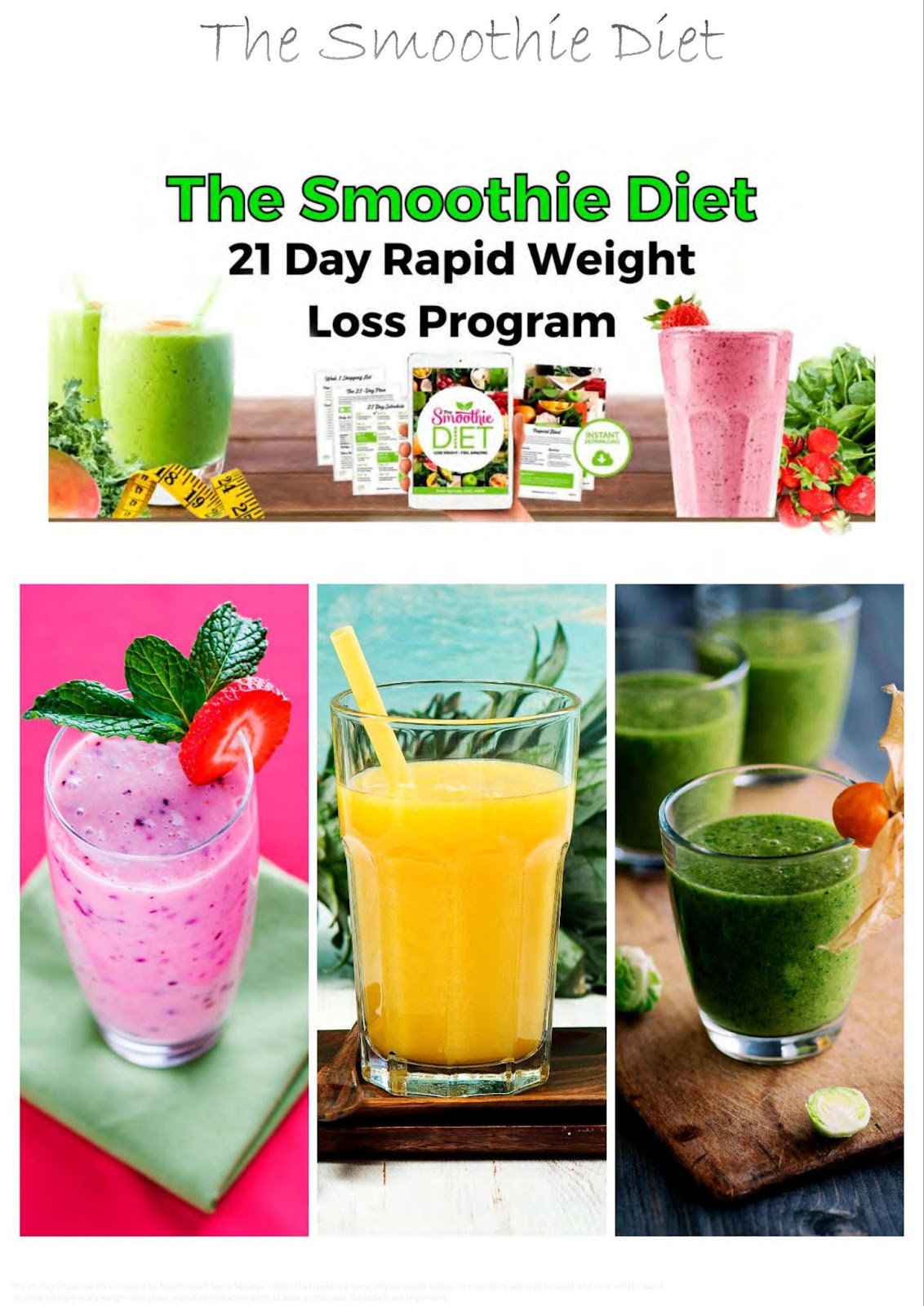
Benefits of The Smoothie Diet: 21 Day Rapid Weight Loss Program

 The Smoothie Diet: 

21 Day Rapid Weight Loss Program

Benefits of Smoothie Diet: 21 Day Rapid Weight Loss Program

The Smoothie Diet: 21 Day Rapid Weight Loss Program is a popular weight loss program that focuses on incorporating healthy, nutrient-rich smoothies into your daily diet. Here are some of the benefits that you may experience if you follow this program: 

Rapid weight loss: The program is designed to help you lose weight quickly and efficiently. By replacing some of your meals with smoothies, you can reduce your caloric intake while still getting the nutrients you need.

Increased energy: The smoothies in this program are packed with vitamins, minerals, and other nutrients that can help you boost your energy levels. As you lose weight and become more physically active, you may also experience increased energy and stamina.

Improved digestion: The Fiber in the smoothies can help promote healthy digestion, reducing issues like bloating, constipation, and other digestive problems. 

Better skin: The nutrient-rich ingredients in the smoothies can help improve the health and appearance of your skin, reducing acne and skin problems.

Reduced cravings: By replacing unhealthy snacks and meals with smoothies, you may find that your cravings for sugar and other junk food decreased over time.

Convenience: The smoothies are easy to make and can be taken with you on-the-go, making it a convenient option for people with busy lifestyles.

Improved overall health: The program encourages you to eat more fruits and vegetables, which can help improve your overall health and reduce your risk of chronic diseases like heart disease, diabetes, and cancer.

Overall, The Smoothie Diet: 21 Day Rapid Weight Loss Program can be a great way to jumpstart your weight loss journey and improve your overall health and well-being. 

Click here to get 21 Day Rapid Weight Loss Program

See how Amanda lost over 70 pounds using The Smoothie Diet Weight Loss program


March 29, 2023

How Good is Alpilean Dietary Supplement


Product Review: Alpilean Dietary Supplement

If you're looking for a dietary supplement that can help you with weight management and energy boost, then Alpilean might be what you need. Alpilean is a supplement that claims to help people lose weight, increase energy, and improve focus. In this review, we will dive deeper into the product to see if it really works.

What is Alpilean?

Alpilean is a dietary supplement that contains natural ingredients to help with weight management, energy, and focus. It is manufactured by a company called HFL Solutions, which is known for producing health supplements.


Ingredients

Alpilean is made from a combination of natural ingredients, including:

Green tea extract

Guarana seed extract

Yerba mate leaf extract

White willow bark extract

Ginger root extract

Theobromine

These ingredients are believed to work together to boost metabolism, increase energy levels, and reduce hunger pangs.


How does Alpilean work?

Alpilean works by increasing the body's metabolism, which helps burn more calories. It also contains ingredients that can suppress hunger and boost energy levels. These combined effects make it easier for people to stick to a healthy diet and exercise routine, leading to weight loss.


Pros of Alpilean

Contains natural ingredients

Can help with weight management

Can increase energy levels

Can improve focus

Cons of Alpilean

May cause side effects such as jitteriness, anxiety, and insomnia in some people

Not suitable for pregnant or nursing women, and individuals with certain medical conditions

May not work for everyone

How to take Alpilean

Alpilean comes in the form of capsules. The recommended dosage is two capsules per day, taken with a meal.


Conclusion

In conclusion, Alpilean is a natural dietary supplement that can help with weight management, energy, and focus. It contains a combination of natural ingredients that are believed to work together to provide these benefits. However, it may not work for everyone, and some people may experience side effects. If you're considering taking Alpilean, it's important to talk to your doctor first.

FAQs

  • Is Alpilean safe to take?

Alpilean is generally safe for healthy adults. However, it may cause side effects in some people, so it's important to talk to your doctor before taking it.

  • How long does it take to see results from Alpilean?

Results may vary depending on the individual. It's recommended to take Alpilean for at least a few weeks before expecting to see results.

  • Can Alpilean be taken with other supplements?

It's recommended to talk to your doctor before taking Alpilean with other supplements to avoid potential interactions.

  • Can Alpilean be taken by pregnant or nursing women?

Alpilean is not recommended for pregnant or nursing women.

  • Where can I buy Alpilean?

Click on this Link to get this Offer

September 20, 2022

Health and Eating Habits


Health is always connected with your eating habits. A healthy diet plan can always keep your physical and mental health in check and on the other side if you are without any diet plan then it can create you with health problems in the future. Eating is always been an important aspect which can have a huge impact on your health either, it can increase or decrease your weight. Physical health is not only about keeping yourself on a strict diet. There are certain ways to keep yourself healthy and fit. Following your healthy habits can keep you in track for good health. 

Following points can help you to make your diet plan healthier.

1. Add nutritious fruits in your everyday diet.


Fruits are enriched with vitamins, minerals, potassium, dietary fiber and always healthy for your body. There are ample number of fruits available in the market. Every fruit contains different amount of vitamins in it. Keep a good habit of consuming fruits everyday. Try to have Seasonal fruits in your diet plan. Have fruits like Apple, Oranges, Banana, Kiwi, Pomegranate and so on. 

2. Add good amount of Veggies in your diet too.


Are you someone who loves eating fresh n green vegetables. Vegetables are healthy. It's very obvious that we eat some amount of vegetables everyday. Vegetables have good amount of nutrients and health benefits. Some vegetables have antioxidants in it. Here are some vegetables like Spinach, Beetroot, Broccoli, Carrots, Sprouts and many more which are healthy for your diet. Always try to add Salad with your regular meals.

3. Good routine of regular exercise.

Regular exercise is necessary for upbringing of your health. Include some sort of exercises in your daily routine. Morning and Evening exercise is always helpful for sound mind and body. Few minutes of daily exercise can have a bigger impact on your health. It can relax your tension. 

4. Avoid Junk Foods.


Street food and Fast food are very convenient for people today. But this habit can be unhealthy. It can destroy your health if it becomes a daily habit for you. Fast food can be unhygienic, full of unhealthy fats, unhealthy spices. Instead, have food which are always healthy with natural ingredients like, fruits, green veggies, eggs, porridge, meat, fish, chicken, pulses, sprouts, natural juice and many more healthy foods like these.

So, move on and start your healthy habits from now onwards. Keep yourself in good healthy routine habits.

September 19, 2022

Health is Precious!!


Good Health is more than anything else what you need. Practice of keeping Good Health is an achievement for the Body. Compromising with your Health can be disastrous. Taking good care of your Body can prevent you from various Health problems. It is true that some illnesses cannot be avoided. Still, there is much more we can do to slow down or even prevent the onset of illness.

Consider few things that can get you on the road to better Health:

1. Practice Good Hygiene.

2. Use a Safe Water Supply for Drinking.

3. Watch what you Consume for your Body.

4. Meditate & Exercise.

5. Have enough Rest or Sleep everyday.

6. Stay away from unhealthy habits.

7. Be Physically Fit.

8. Be Joyful & Enjoy your Time.

9. Keep track of your Body by regular checkups.